

NEW ORLEANS (WVUE) – Since he was a toddler, Frank Avila has been fighting for his life and winning.
CLICK HERE: HERE’S HOW TO WATCH FOX 8 LIVE ON YOUR SMART TV FOR FREE
His battles include two kidney transplants and two double lung transplants.
“I was born healthy and it wasn’t until I was 3 years old that I was diagnosed with cystic fibrosis,” said Avila.
“A lot of fluid and sodium gets stuck in our lungs which causes infections, repeated infections which ends up requiring treatments, antibiotics and just over time our lungs start to deteriorate and just get worse.”
But Frank wasn’t the only one facing a lifetime of struggle.
After years of living with multiple genetic degenerative lung diseases, his now-wife, Amber, says she received news no one ever wants to hear less than a year ago.
“Doctors said if you don’t do it now you’re going to miss that opportunity and if you miss that opportunity, survival rate is very low,” said Amber.
Like Frank, doctors told her she also needed a double lung transplant, one of the most difficult surgeries and one of the toughest recoveries.
“We talked together and prayed together and decided to move forward with it.”
Amber says she took that leap of faith just over six months ago.
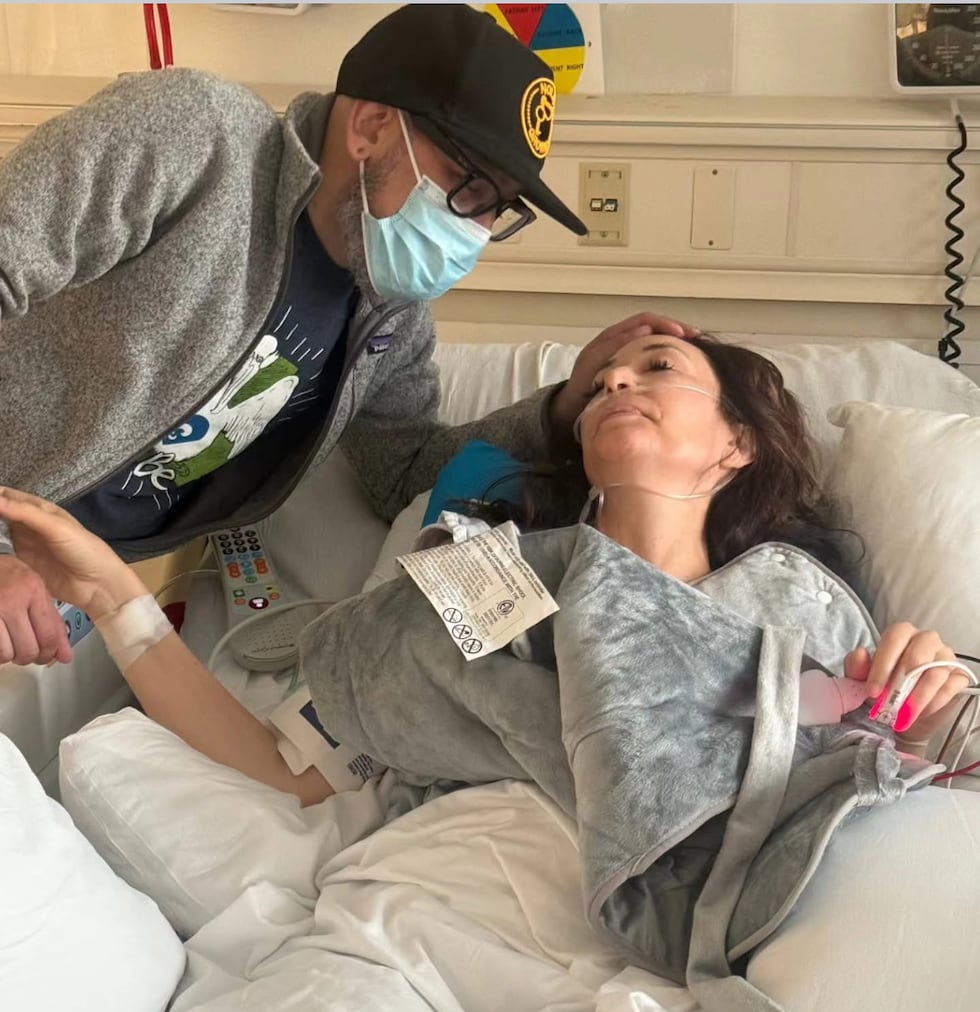
Between the two of them, Frank and Amber have had five organ transplant surgeries.
So how did these two end up together?
More than 2,000 miles apart at the time, Frank and Amber say they first connected the way many people do, through social media.
“A friend said I should get out there and maybe get in a support group for your lungs and just reach out to other people who are maybe going through similar things,” said Amber.
“I really loved riding my bike and I was able to start doing that again after my latest lung transplant,” said Frank.
“I was curious about how he was managing that and what he had and also there was an alligator in the picture he posted and I was curious where he was riding that there was an alligator in the picture,” said Amber.
Amber lived in Seattle at the time, but the two formed a long distance bond.
For people who are immunocompromised, meeting in person isn’t so simple or safe.
“When people have chronic lung disease, a lot of times they don’t meet,” said Amber.
“You can give each other very very serious life ending infections.”
Doctors ran tests to see if the very bacteria trying to tear their bodies apart were identical, so that they could be together.
“Which was a big step for us, not many people have to do that before they meet someone.”
“we would end our conversations in prayer, and it just went from there. You know, the one thing we wanted to make sure is that we would have god first.”
Eventually, Amber moved to Southeast Louisiana and the two got married.
Now, they say they can read each other like a book and have a sixth sense when something is wrong.
Because when they’ve spent their whole lives being poked and prodded, being each other’s shoulder to lean on becomes their greatest strength.
“Watching him go through his transplant, even though it scared me, it totally inspired me to say if this happens to me, I’m going to make it,” said Amber.
“Well, once she got sick, you step into that mode like let me make sure you have everything you need,” said Frank.
“It was just different, it was beautiful.”
“I’ve always had somebody look after me, I’ve always had someone stand up and say ‘let me take care of this, don’t worry we got you’. And for the first time, it was my turn.. to do it.”
It’s no coincidence that National Donor Day coincides with Valentine’s Day, and both Frank and Amber now pay it forward by raising awareness and volunteering with the Louisiana Organ Procurement Agency, or LOPA.
“I was able to meet donor families and for me that was super important because not only could they see this is what your child or loved one did for someone else and I am just so eternally grateful,” said Frank.
The couple says it’s a daily reminder not waste a second of their second chance.
“Literally, an organ donor gave me my husband,” said Amber.
“I wouldn’t have been able to meet him, fall in love with him and have a life with him or a future with him without this person. And how can you not honor that?”
According to the Transplant Alliance Foundation, as of 2025, the cost of one organ transplant surgery in the U.S. can vary between $500k and nearly $2 million, not including lifelong medications.
The Avila’s started a GoFundMe to help with expenses.
If you would like to donate, click here.
See a spelling or grammar error in our story? Click Here to report it. Please include the headline.
Subscribe to the Fox 8 YouTube channel.
Copyright 2026 WVUE. All rights reserved.

