Table of Contents
Pulmonary veno-occlusive disease (PVOD) is a rare form of pulmonary hypertension that affects both the veins and arteries in the lungs, and doctors say it can be difficult to diagnose.
The condition’s symptoms — including coughing and shortness of breath — often resemble more common illnesses, which can delay treatment.
A delayed diagnosis
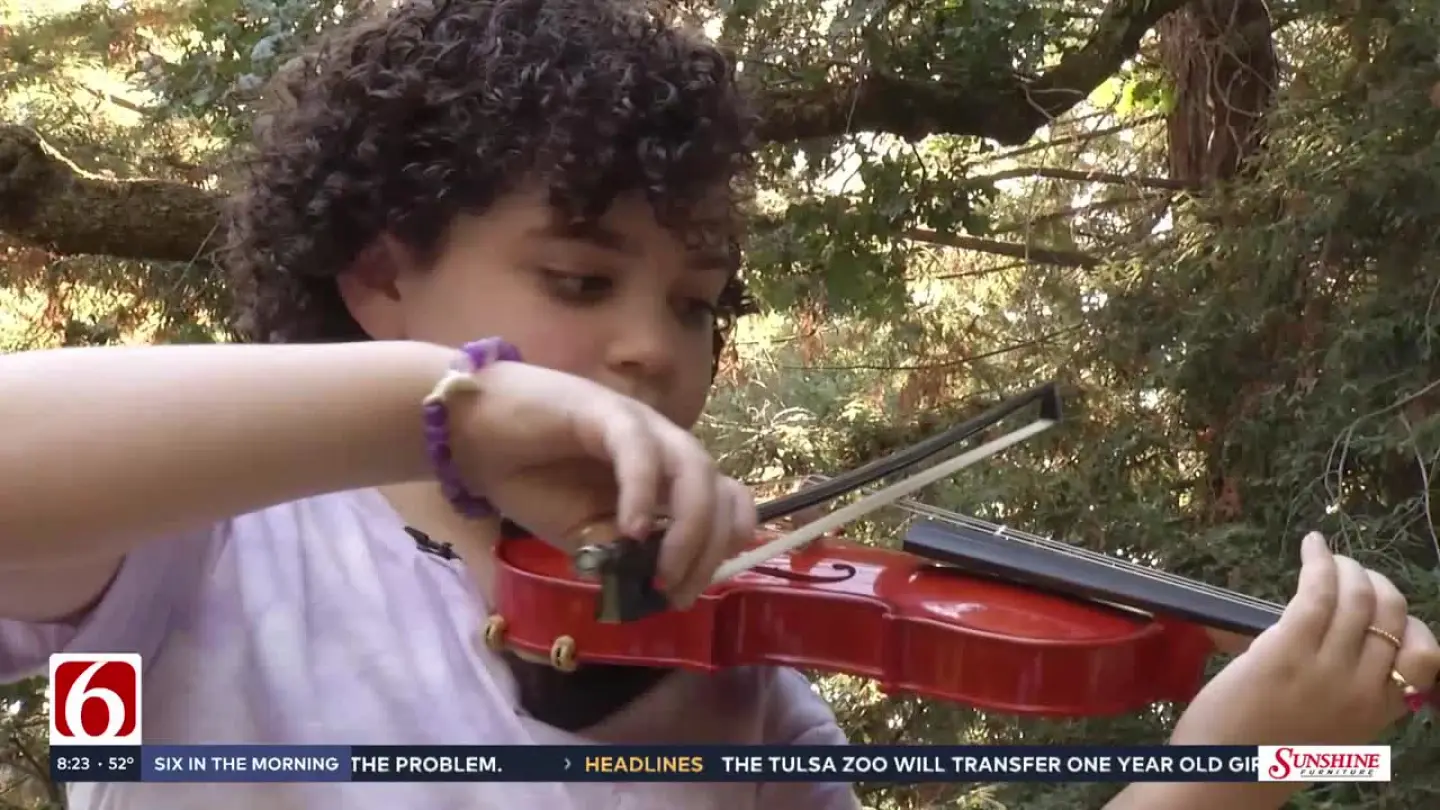
Sadie Jackson, now 7, first showed symptoms in 2022.
Her family said she experienced frequent coughing episodes and struggled to breathe, at times gasping for air and becoming pale and sweaty.
Doctors initially identified fluid in her lungs and signs of pulmonary hypertension. Further evaluation led to a diagnosis of PVOD, a condition so rare it affects about 2 in 1 million people.
A life-saving transplant
After the diagnosis, Sadie was placed on the transplant list for new lungs.
After an eight-month wait, she underwent a 10-hour double-lung transplant.
Her family said the procedure gave her a second chance at life.
Life after surgery
Since the transplant, Sadie has returned to activities she was once unable to do.
She said she now feels free to run and play — something she could not do before the surgery.
Her favorite song, “Hallelujah,” has taken on new meaning as she recovers and regains strength.
What doctors say
Doctors say Sadie will need ongoing monitoring as a transplant patient.
They do not expect PVOD to return because the disease was confined to her original lungs.

