
Table of Contents
Mark Thompson, a Black man from Franklin, says he may die while waiting for a kidney replacement.
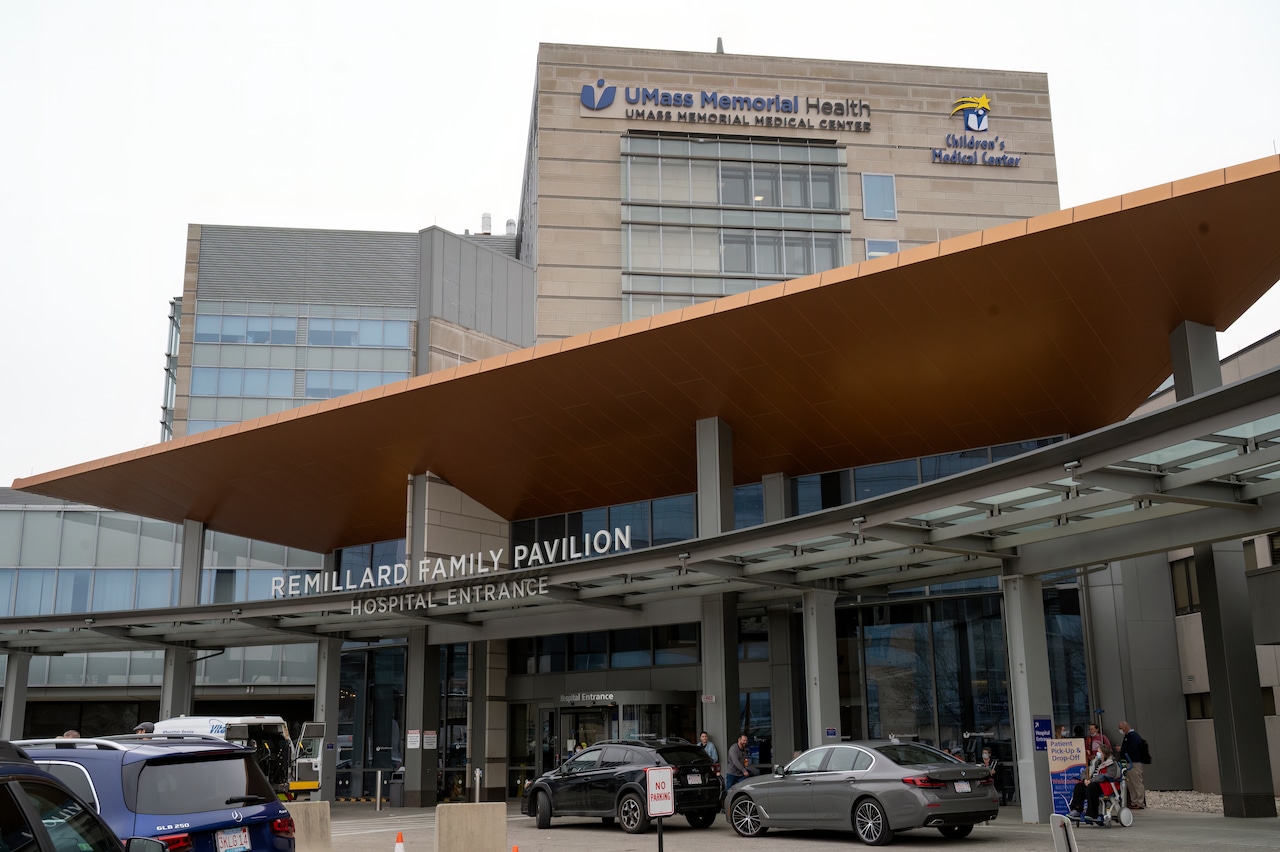
More than 15 years ago, Thompson was diagnosed with kidney disease, and in a recently filed federal lawsuit, claims he was never considered fairly for a kidney transplant at UMass Memorial Health due to his race.
Thompson filed a class action lawsuit this month against UMass Memorial Health in Worcester claiming racial discrimination, and accuses the hospital of denying him a kidney transplant because Black patients like him were treated differently than patients of other races.
He is seeking a jury trial and would seek more than $5 million in damages, according to Matthew L. Venezia, one of Thompson’s attorneys.
Thompson no longer has any kidneys after they were removed in 2021. The kidneys had become cancerous, and his vascular system became so weak, that Massachusetts General Hospital doctors told him his body could no longer handle a transplant, his lawsuit states.
Thompson’s claims against UMass Memorial Health follow an admission by United Network for Organ Sharing (UNOS) in 2022 that race was a factor when measuring kidney functionality resulting in “a systemic underestimation of kidney disease severity for many patients identified as Black,” according to a press release by the non-profit.
In a statement to MassLive on Monday, UMass Memorial did not comment on the specifics of the case but said it takes all patients’ complaints seriously, “as the health and wellbeing of all patients is a high priority.”
Thompson is also currently in the middle of a lawsuit against UNOS. In September, a federal judge in Boston ruled that the lawsuit may proceed with claims that the non-profit discriminated against Black people seeking kidney transplants, according to Reuters.
Differences in wait times
Thompson is a former captain at a sheriff’s office and previously worked as a corrections officer.
His lawsuit claims that in September 2016, his kidney function levels declined to the point that, if it were measured similarly to non-Black patients, he would have qualified for the national kidney waiting list. He was eventually placed on the waitlist in July 2017, according to the lawsuit.
Thompson’s lawsuit comes nearly three years after the non-profit UNOS, which is in charge of the nation’s registry for organ matching, admitted to artificially adjusting what is known as the “race-based coefficient” to increase the observed kidney function (eGFR) scores for Black kidney patients — meaning Black kidney patients have to be much sicker before they qualify for a new kidney.
The lawsuit claims that average wait times for kidney transplants are about three to five years, but than many non-Black patients often receive kidney transplants with significantly less wait time.
“Making medical policy based on racial stereotypes harmed all Black Americans waiting for a kidney,” the lawsuit against UMass Memorial Health reads. “This lawsuit is brought by one search person, Mr. Mark Thompson, on behalf of himself and the below-defined putative class.”
Waiting for a kidney
Thompson was put on the UNOS transplant waitlist in 2017, the same year he began dialysis treatment, according to the lawsuit.
The treatment lasted for eight years, with Thompson’s wife becoming his at-home nurse. Thompson had to attach a hose from the dialysis machine to his stomach during treatment, the lawsuit reads.
In 2021, Thompson had his kidneys removed, both of which had become cancerous, according to the lawsuit.
Due to the cancer diagnosis, Massachusetts General Hospital notified him he would have to wait for five years for an organ transplant, the lawsuit reads. The wait exists because the drugs administered after a hypothetical transplant would magnify the chance of cancer developing, according to the complaint.
Thompson was later informed that because of the delay, his vascular system had declined to the point where it had become too weak for a transplant.
“Mr. Thompson has been forced to have conversations with his wife and children about the possibility that he may die waiting for a kidney,” the lawsuit reads. “The emotional distress this entire ordeal has caused to Mr. Thompson and his family is severe to the point it is difficult to capture in words.”
In 2022, the Board of Directors of the Organ Procurement and Transplantation Network approved a measure requiring transplant hospitals to measure GFR without the race-based factor.
By 2023, UNOS told donor hospitals to tell Black patients about the change in the GFR measuring, the lawsuit reads. The organization also informed hospitals to check if any Black patients could have their transplant wait time modified.
In August of that year, Mass. General Hospital told Thompson he qualified for a wait time adjustment. The lawsuit, however, states that the time adjustment does nothing for Thompson and that he should have been put on the waitlist in 2016.
The race factor
When doctors measure GFR in a patient, they take a blood test to check creatinine levels, according to the National Kidney Foundation. Creatinine is a waste product filtered out by kidneys. When the blood’s creatinine levels are high, it’s a sign that the kidneys are not filtering out waste properly. Doctors consider biological factors when measuring GFR.
Previous calculations developed to measure GFR also factored in whether the patient was Black or not, according to the National Kidney Foundation.
The factor of race was included in the calculations due to studies suggesting that Black patients have higher levels of creatinine because of differences in muscle mass, according to the American Kidney Fund.
These calculations, however, led to doctors underestimating how severe kidney disease was in Black patients, according to UNOS.
“Specifically in organ transplantation, it may have negatively affected the timing of transplant listing or the date at which candidates qualify to begin waiting time for a transplant,” UNOS’s webpage reads.
The lawsuit reads that if Thompson were white, his GFR scores would have allowed him to join the national kidney waitlist in 2016. But because his scores were increased due to the additional race-based factor, Thompson couldn’t qualify for the waitlist, according to the lawsuit.
Thompson’s lawsuit states that UMass Memorial Health never referred him to a waitlist either.
“UMass failed to register Mr. Thompson on the national kidney waitlist nor even advise Mr. Thompson that it was using a race-based test to monitor his kidney function.”
The case was assigned to a judge Monday, according to court records.

