
Table of Contents
April 17, 2025
2 min read
Key takeaways:
An Oklahoma acute care hospital had a 400% increase in dialysis treatment volume during 9 months.
Average successful dialysis treatment completion rate grew from 73.7% to 97.5% during the study.
BOSTON — Switching to an in-house dialysis model may support health care facilities in care efforts and lead to high quality outcomes for patients, according to study data.
Brittni McGill, MSN, RN, NEA-BC, chief operating officer at the Norman Regional Health System, a regional acute care hospital in Norman, Oklahoma, and colleagues studied the prevalence, progression and preparation for dialysis after primarily outsourcing dialysis.

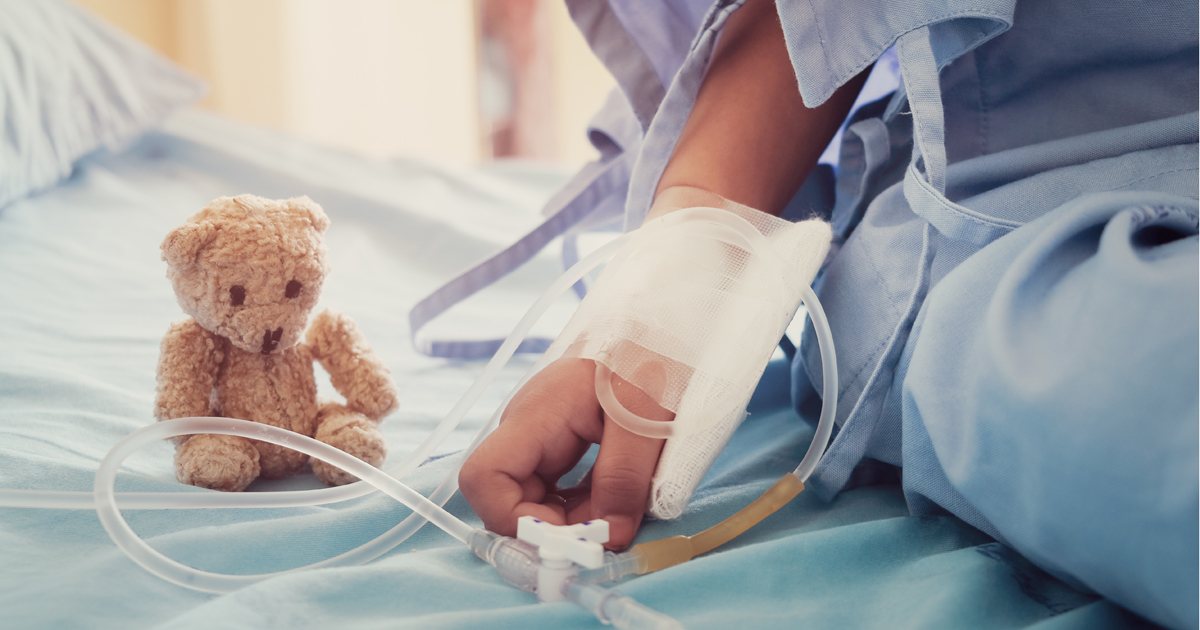
The regional acute care hospital marked a 400% increase in treatment volume during 9 months. Image: Adobe Stock.
“We got to a breaking point where we were not getting the dialysis service we wanted,” Denny Hinkle, MSN, RN, CCRN, nursing manager at the hospital, told Healio. “And so, we decided to bring it in-house. To do that, we purchased these machines and built this program from the ground up — from writing policies, competencies, hiring, doing all these things.”
As a result, he said, “we had exponential success.”
McGill, Hinkle and colleagues compared data on dialysis treatment volumes, completion rates and order-to-treatment times from a 3-month period before the transition to an 9-month period after implementation. Nursing staff compiled the data.
Overall, there were 144 dialysis treatments in the 3 months before implementation and 1,372 treatments in the 9 months after. The researchers measured volume, completion rates and order-to-treatment times. Treatment success was determined by the treating clinician.
Fluid removal was calculated as a percentage of the achieved vs. prescribed fluid removal. In addition, researchers collected central line-associated bloodstream infection (CLABSI) data from admitted patients on dialysis during the outsourced and in-house timeframes.
With 144 dialysis treatments prior to the switch and 1,372 after, the regional acute care hospital marked a 400% increase in treatment volume during 9 months. The average successful treatment completion rate grew from 73.7% to 97.5%, while fluid removal improved from 87% to 99%. In addition, the time from treatment order to initiation was reduced by 35%. CLABSI in dialysis patients fell by 75% after transition, researchers found.
Researchers also noted an average of 34 monthly dialysis treatments before switching to the in-house model vs. 174 monthly after. The average fluid removal goal went from 87% to 102%.
Overall, the process was more efficient, Hinkle said.
Time from when a physician entered an order to treatment decreased from about 6 to 7 hours before the implementation to 2 hours after, he said.
“A lot of people rely on what is comfortable for them. For us, we embraced change and knew it was best for our patients and our community,” Hinkle said. “We knew we could provide that if we had control, and so it really worked out well for us to take this opportunity to run. We have had great success.”
Reference:
Outset Medical website. https://www.outsetmedical.com/patients/. Accessed April 16, 2025.
For more information:
Denny Hinkle, MSN, RN, CCRN, can be reached at denny.hinkle@normanregional.com.

Sources/Disclosures
Collapse
Source:
McGill B, et al. Abstract G-42. Presented at: NKF Spring Clinical Meetings; April 9-13, 2025; Boston.
Disclosures:
Hinkle reports no relevant financial disclosures. Please see the study for all other authors’ relevant financial disclosures.

