
Table of Contents
The human body is a remarkable archive of information, storing not just genetic data but also memories, experiences, and personality traits within individual cells. While mainstream science focuses on the brain as the seat of memory, new research demonstrates that memory also resides in our cells. This concept, known as “cellular memory,” has enormous implications for organ transplantation, particularly when considering xenografts, which are transplants from non-human animals to humans.
Understanding Cellular Memory
Cellular memory refers to the ability of cells to encode, store, and retrieve information. Unlike brain-based memory, which relies on neural connections, cellular memory utilizes various parts of the cell and employs a variety of mechanisms to remember.
Evidence of cellular memory exists in many biological systems. For example, immune cells “remember” germs they’ve fought, which helps them fight off the same germs faster and stronger if they encounter them again. This is known as “immunological memory.” Skeletal muscle cells remember the sites where nerves attached to them, so that if damaged, the nerves can reattach in the same locations.
Cells can remember information in several ways. DNA saves information through genes, special DNA sections that don’t make proteins, and chemical changes that turn genes on or off. RNA stores information by saving information in its genetic code, by turning different genes on or off when the environment changes, and by chemically changing itself to remember what it has experienced before. Proteins, especially a type called “prions,” can change their shape to store and pass on information. Cell membranes store information using special proteins called “integral membrane proteins” that act like tiny sensors. These proteins detect changes in the environment and remember what they’ve experienced.
Organ Transplantation and Memory Transfer
One of the most fascinating implications of cellular memory is what it might mean for organ transplants. Personal stories and medical studies show that people who undergo organ transplantation sometimes start liking new things, such as different foods or different music.
Claire Sylvia, the first heart-lung transplant recipient at Yale University, developed intense cravings for foods she previously disliked. Later, she discovered these foods were her donor’s favorites.
A study we performed at the University of Colorado School of Medicine found up to 89% of transplant patients experienced personality changes following organ transplantation. This included organs other than hearts. Additional research has shown that people who received heart transplants began liking the same foods, music, and art that their donors enjoyed.
While these reports are often dismissed by healthcare providers, they raise important questions about what causes these changes and their impact on patients.
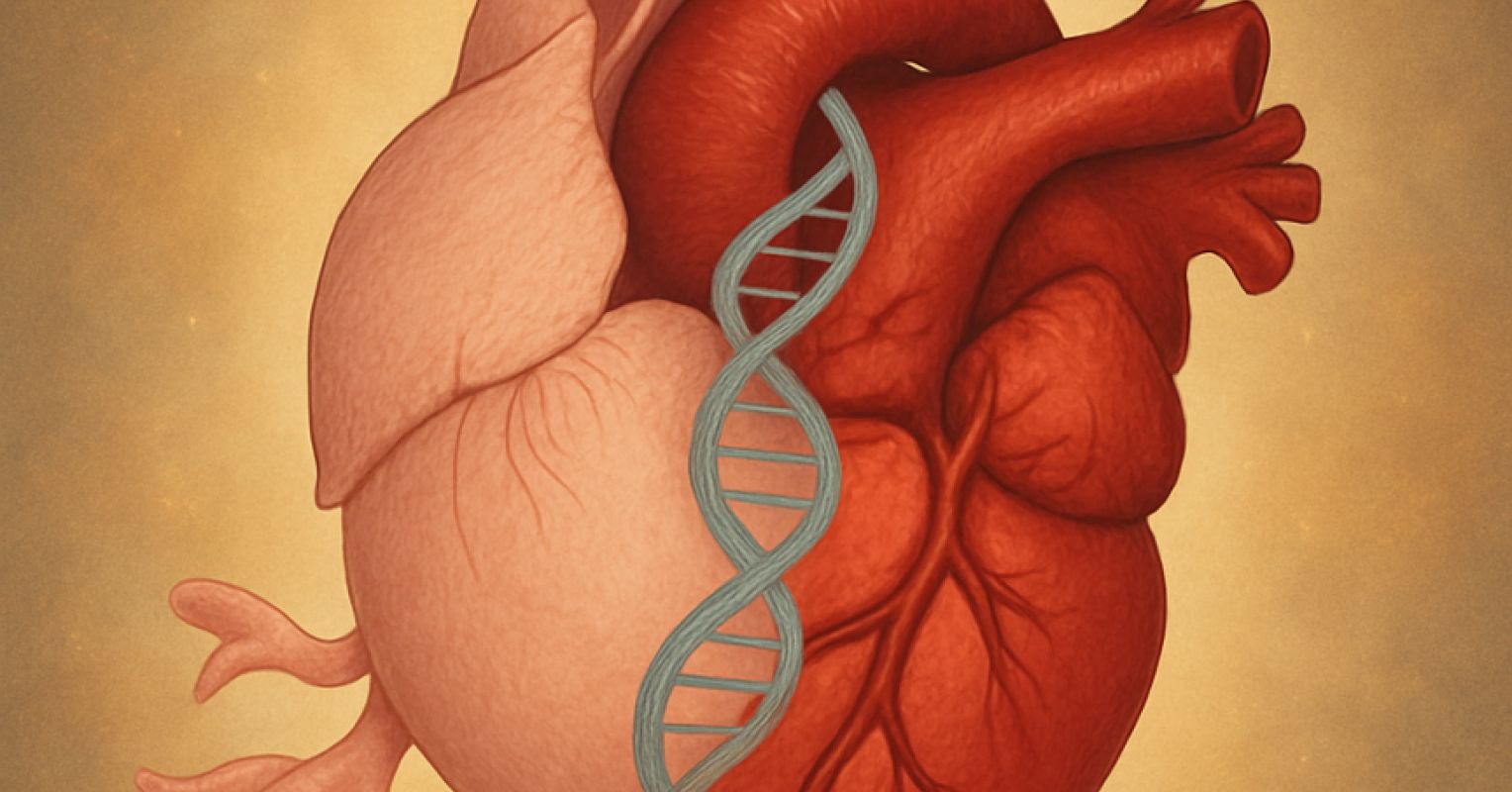
The heart is especially interesting when it comes to storing cellular memories. Heart cells contain many of the same components that other cells use to store memories such as DNA, RNA, proteins, and cell walls. The heart even has its own nervous system, sometimes called the “heart-brain,” consisting of about 40,000 nerve cells that can help store and transfer memories.
Research also suggests that tiny packages called “exosomes” can carry proteins and genetic material between cells and may transport memories from transplanted hearts to recipients’ brains.
Xenografts: The Next Frontier
As medical science explores xenotransplantation (the transplantation of organs from animals to humans), the concept of cellular memory raises new questions. For example, as organs from genetically modified pigs are developed, will memories be transferred from donor pigs to human recipients? Will anyone be studying whether these patients experience personality changes after receiving organ transplants? With pig kidney transplants showing promise, questions about memory transfer via organ transplantation need to be answered.
The implications of cellular memory for xenotransplantation are both fascinating and concerning. While the idea that a human could acquire pig-specific memories or behaviors with a transplanted organ may sound like science fiction, increasing evidence for cellular memory suggests it’s a topic that deserves serious scientific consideration.
Current xenotransplantation protocols focus heavily on genetic modifications to prevent organ rejection and disease transmission. Scientists are changing pig genes by removing parts that would make the human body reject the organ and adding human genes to make the organs more compatible. However, these genetic changes don’t deal with the possibility that memories stored in pig cells could be transferred to human recipients. This would create a new problem that doctors haven’t yet considered.
Clinical and Ethical Considerations
The possibility that animal organs could transfer memories to humans brings up serious medical and ethical questions. Studies already show that people who receive human organ transplants sometimes have trouble figuring out what parts of their personality are truly “them” versus what might come from their donor. Many patients believe their new organ has given them different preferences or traits.
If people start receiving pig organs, these identity struggles could conceivably become much worse. Patients might not only experience memories from animal donors but could hypothetically also develop animal-like behaviors or sensory experiences that originated from their pig donor.
What’s concerning is that current medical trials testing pig organ transplants aren’t even checking for these kinds of changes. Doctors are focusing on whether the organs work properly but are not looking for signs that patients might be inheriting pig memories or behaviors along with their new organs.
Prospective studies are needed to confirm anecdotal reports of personality changes following organ transplantation. For xenografts specifically, researchers should investigate whether animal-to-human organ transplantation results in behavioral or personality changes in recipients. Furthermore, such studies should be incorporated into current xenotransplantation protocols. Otherwise, we are unlikely to find what we aren’t looking for.
Recent advances in xenotransplantation have brought this therapy closer to clinical reality. The successful transplantation of genetically modified pig kidneys into brain-dead patients has demonstrated these organs can function for a short period of time without rejection. Additionally, a genetically modified pig heart was successfully transplanted into a living patient, although the recipient lived for only two months.
These medical breakthroughs show why we urgently need to think about cellular memory before xenotransplantation becomes common practice. If memories really can transfer from donors to recipients, receiving pig organs might trigger psychological problems that we aren’t currently prepared to handle.
The possibility that xenografts could transfer animal memories and traits to human recipients challenges our fundamental understanding of memory, identity, and consciousness itself. As we continue to push the boundaries of transplant medicine through xenotransplantation, we must also expand our research into cellular memory, so that we’re prepared for the potential implications of this revolutionary therapy.

