
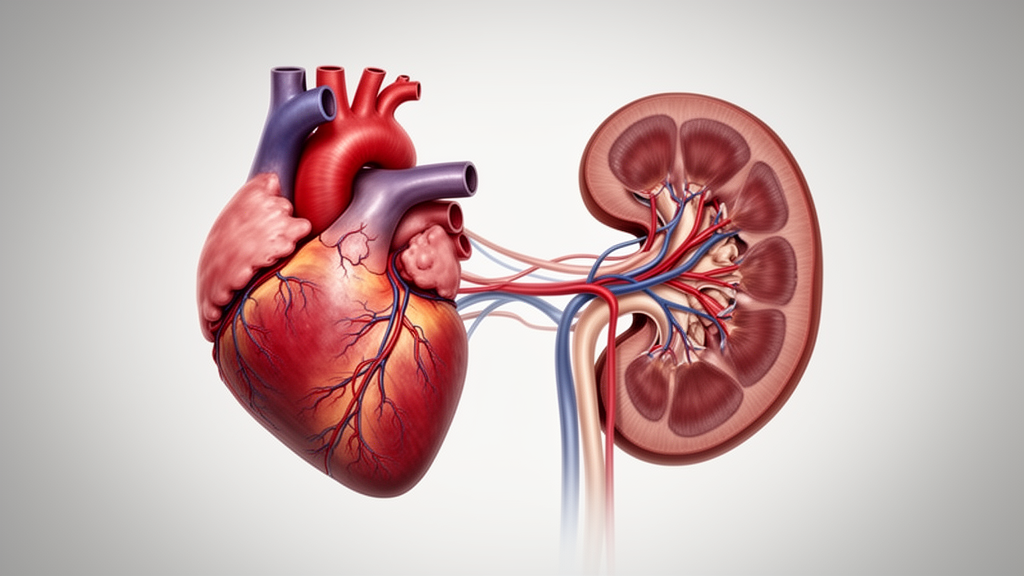
Cardiovascular disease remains the leading cause of death among kidney transplant recipients, with heart failure representing a particularly frequent and morbid manifestation that is often the initial cardiovascular event diagnosed following transplantation. In a narrative review published in Cardiology and Therapy, investigators led by Anukul Ghimire examined evidence spanning PubMed-indexed studies from inception to December 2025 using search criteria encompassing heart failure, kidney transplant, and kidney failure. Although successful transplantation confers substantial survival and quality of life benefits over long-term dialysis while generating healthcare savings, recipients continue to experience markedly elevated cardiovascular event rates compared with the general population. Projections estimate that the global prevalence of kidney failure will reach 5.4 million individuals by 2030, intensifying demands for dialysis and transplant services while clinical demographics shift toward older recipients with greater baseline cardiometabolic comorbidity. Concurrently, heart failure with preserved ejection fraction has emerged as the dominant clinical phenotype among kidney transplant recipients because individuals presenting with severe baseline left ventricular systolic dysfunction are infrequently transplanted due to prohibitive perioperative risk. Despite this immense disease burden, recipients have been systematically excluded from landmark cardiorenal clinical trials, creating widespread uncertainty regarding the safety and efficacy of guideline-directed medical therapies.
Contemporary clinical understanding of heart failure epidemiology within the kidney transplant setting remains severely constrained by outdated observational literature that does not reflect recent therapeutic and demographic changes. Historical registry studies estimated the cumulative incidence of de novo heart failure occurring within the initial twelve months post-transplant at 18 percent, yet these earlier investigations failed to capture temporal reductions in general cardiovascular mortality alongside the rising medical complexity of modern transplant cohorts. Conventional cardiovascular risk stratification frameworks, including the widely utilized Framingham risk score, consistently underestimate post-transplant cardiovascular risk because they account strictly for traditional factors while ignoring mechanisms intrinsic to end-stage renal disease and allograft management. Traditional factors that independently predict post-transplant cardiovascular events include diabetic nephropathy, advanced recipient age, elevated body mass index, prior cerebrovascular accidents, documented claudication, and prior cardiac events. Diabetic nephropathy operates pre-transplant through the pronounced upregulation of systemic pro-inflammatory cascades that cause endothelial dysfunction, microvascular and macrovascular injury, and widespread end-organ fibrosis. These established vascular insults frequently persist after surgery or develop de novo, where they interact with non-traditional allograft-specific pathways to accelerate myocardial injury and precipitate clinical heart failure decompensation across vulnerable recipient cohorts.
Nontraditional cardiovascular risk factors unique to kidney disease and transplantation exert profound structural effects on the cardiovascular system that are independent of traditional risk profiles. In the broader non-transplant chronic kidney disease population, progressive decrements in estimated glomerular filtration rate and the severity of persistent albuminuria serve as powerful independent predictors of adverse cardiovascular outcomes via sustained systemic inflammation, oxidative stress, and rapid atherogenesis. In advanced kidney failure, the retention and inadequate clearance of circulating uremic toxins directly induce non-ischemic cardiomyopathy and maladaptive ventricular remodeling. Research demonstrates that intensified hemodialysis delivered six times weekly compared to conventional thrice-weekly schedules, as well as successful kidney transplantation, can significantly reduce left ventricular mass and partially reverse pathological remodeling. However, persistent hemodialysis vascular access poses ongoing hemodynamic hazards; surgically created arteriovenous fistulas augment cardiopulmonary recirculation and can induce overt high-output heart failure. Even in the absence of symptomatic decompensation, prolonged arteriovenous fistula patency promotes progressive left ventricular hypertrophy, whereas elective post-transplant fistula ligation has been demonstrated to induce significant reductions in left ventricular end-diastolic and end-systolic volumes.
Post-transplant pharmacotherapy and immunological complications introduce potent secondary drivers of cardiovascular pathology that further complicate long-term recipient management. Standard immunosuppressive regimens frequently compromise metabolic stability: calcineurin inhibitors like tacrolimus, mammalian target of rapamycin inhibitors, and systemic corticosteroids exacerbate atherogenic dyslipidemia. Calcineurin inhibitors and corticosteroids directly promote pathological sodium retention, systemic arterial hypertension, and post-transplant diabetes mellitus, a distinct metabolic entity characterized by heightened peripheral insulin resistance and defective beta-cell insulin secretion. Corticosteroid maintenance additionally fosters substantial weight gain and visceral obesity. While antimetabolite agents including mycophenolate mofetil and azathioprine do not directly accelerate vascular disease, they are routinely co-administered with calcineurin inhibitors and steroids. Furthermore, immunological graft insults independently amplify cardiovascular risk. Findings from a French cohort demonstrated that delayed graft function, defined as the requirement for dialysis within the first post-transplant week, independently predicted a 24 percent increase in major adverse cardiovascular events (adjusted hazard ratio 1.24, 95 percent confidence interval 1.10 to 1.40), driven primarily by incident heart failure hospitalizations without mediation by three-month glomerular filtration rates. Allograft rejection and chronic allograft nephropathy subsequently induce persistent immune activation, progressive tissue fibrosis, hypertension, and proteinuria that aggravate ischemic cardiomyopathy.
Standard clinical guidelines recommend that heart failure in transplant recipients be managed using the four core foundational pillars of guideline-directed medical therapy established in the general population: renin-angiotensin system inhibitors including angiotensin receptor-neprilysin inhibitors, angiotensin-converting enzyme inhibitors, or angiotensin receptor blockers; evidence-based beta-blockers such as carvedilol, bisoprolol, or sustained-release metoprolol succinate; mineralocorticoid receptor antagonists; and sodium-glucose cotransporter 2 inhibitors. Nevertheless, clinical uptake of these life-prolonging regimens remains strikingly low among transplant recipients with diagnosed ventricular dysfunction. An analysis of recipients with systolic dysfunction and kidney failure revealed that only 16 percent were receiving combined therapy with a beta-blocker, an angiotensin-converting enzyme inhibitor or receptor blocker, and a mineralocorticoid receptor antagonist at one year post-transplantation. In a longitudinal cohort of kidney transplant recipients with left ventricular ejection fractions under 40 percent transplanted between 2015 and 2020, beta-blocker utilization declined from 92 percent pre-transplant to 76 percent at 24 months, while renin-angiotensin-aldosterone system inhibitor usage dropped precipitously from 49 percent to 27 percent across the same observation window.
The therapeutic underutilization of renin-angiotensin inhibitors and mineralocorticoid receptor antagonists stems from notable evidence gaps coupled with elevated risks of severe biochemical adverse events. Landmark heart failure and cardiorenal trials routinely excluded patients with severe kidney impairment or failed to report transplant enrollment, and established non-transplant benefits do not consistently replicate in allograft recipients. A large randomized controlled trial examining angiotensin-converting enzyme inhibition in proteinuric kidney transplant recipients demonstrated no significant reduction in chronic kidney disease progression or graft failure, while producing significant increases in acute kidney injury alongside non-significant elevations in hyperkalemia. Although a 70-patient trial of lisinopril demonstrated a significant reduction in left ventricular mass index (between-group difference 10.1 plus or minus 16.3 grams per square meter, 95 percent confidence interval 4.2 to 16.1, p less than 0.01), it excluded heart failure cohorts, and angiotensin receptor-neprilysin inhibitors remain completely unstudied in transplant recipients. Furthermore, allograft denervation reduces native sympathetic tone and plasma renin activity, potentially attenuating neurohormonal blockade. Concurrently, calcineurin inhibitors and trimethoprim-sulfamethoxazole prophylactic regimens impair tubular potassium secretion, severely compounding hyperkalemia risks. Similarly, the ACHIEVE trial in 2,538 hemodialysis patients found no spironolactone benefit for cardiovascular mortality or heart failure hospitalization, while the SPIREN trial in 90 transplant recipients and a meta-analysis of five trials confirmed a fourfold increase in hyperkalemia without renal protection.
Apprehensions regarding infectious and hematological complications have likewise restricted the adoption of sodium-glucose cotransporter 2 inhibitors among kidney transplant clinicians, despite compelling systemic evidence. Although a meta-analysis of 10 clinical trials comprising 70,361 participants demonstrated that these inhibitors significantly attenuate chronic kidney disease progression and renal failure across broad filtration and proteinuria thresholds, patients with baseline filtration rates below 20 milliliters per minute per 1.73 square meters or prior kidney transplants were strictly excluded. In an observational cohort of diabetic transplant recipients, inhibitor therapy correlated with lower rates of major cardiovascular events, yet failed to show a significant reduction in heart failure hospitalizations. Hesitancy frequently centers on potential genitourinary infections, given that allograft recipients have heightened baseline vulnerability due to immunosuppression and frequent vesicoureteral reflux secondary to shortened ureters and the absence of a physiological antireflux valve. A meta-analysis of 86 trials encompassing 50,880 patients documented a relative risk of 3.37 (95 percent confidence interval 2.89 to 3.93) for genital mycotic infections with inhibitor therapy, and an observational study of 239,757 participants showed elevated risk among diabetic men (hazard ratio 1.65, 95 percent confidence interval 1.59 to 1.71). However, extensive epidemiological studies demonstrate no elevation in severe urinary tract infections or pyelonephritis compared with other antidiabetic agents; prospective transplant data revealed low one-year urinary infection rates of 6.6 percent and mycotic infection rates of 0.6 percent, while a 12-week physiological trial documented zero genitourinary infections, supporting overall infectious safety. Concurrently, clinicians must maintain vigilance for secondary post-transplant erythrocytosis, a reversible complication driven by augmented native and allograft erythropoietin secretion that may necessitate phlebotomy or renin-angiotensin blockade.
In marked contrast to other guideline-directed agents, beta-blockers represent the most widely prescribed heart failure therapy in transplant recipients, supported by retrospective data demonstrating improved recipient survival when combined with renin-angiotensin blockade compared with monotherapy or no neurohormonal inhibition. This clinical preference arises because beta-blockers do not impair acute allograft filtration, pose no infectious hazards, reduce mortality in hemodialysis cohorts where they exhibit superiority over converting enzyme inhibitors for preventing cardiovascular hospitalizations, and do not require perioperative withdrawal. Furthermore, beta-blockers serve as safe alternatives to non-dihydropyridine calcium channel blockers such as diltiazem and verapamil, which engage in profound pharmacokinetic cytochrome interactions with calcineurin inhibitors. To overcome systemic barriers limiting the remaining drug classes, strategic hyperkalemia management is essential. Registry evaluations indicate that among patients with estimated filtration rates below 30 milliliters per minute experiencing hyperkalemia, 45 percent have heart failure medications down-titrated or discontinued while only 23 percent receive potassium binders. Novel non-absorbed oral potassium exchangers, including calcium-based patiromer and hydrogen-sodium cyclosilicate, effectively normalize serum potassium, with the REALIZE-K trial confirming that cyclosilicate enables sustained spironolactone optimization in heart failure with reduced ejection fraction. Additionally, non-steroidal mineralocorticoid receptor antagonists provide substantial protection; phase II data demonstrated that finerenone induced significantly lower hyperkalemia rates (5.3 percent versus 12.7 percent, p equals 0.048) and smaller mean potassium increases (0.04 to 0.30 versus 0.45 millimoles per liter) than spironolactone, while the FINEARTS trial established an 18 percent reduction in worsening heart failure events among patients with ejection fractions exceeding 40 percent (rate ratio 0.82, 95 percent confidence interval 0.71 to 0.94, p equals 0.006). Moreover, cotransporter 2 inhibitors promote distal kaliuresis, with meta-analyses confirming a 16 percent reduction in severe hyperkalemia (hazard ratio 0.84, 95 percent confidence interval 0.76 to 0.93) and a 15 percent decrease in renin-angiotensin inhibitor discontinuation.
Resolving persistent evidence gaps requires dedicated clinical trials alongside sophisticated registry methodologies designed specifically around transplant-specific trial execution hurdles. Landmark trials currently underway include the EFFEKTOR study, a multicenter phase 2 trial randomizing 150 kidney transplant recipients in a two-to-one ratio to finerenone versus placebo to evaluate tolerability, albuminuria changes, filtration slope trajectory, and urgent heart failure utilization. In parallel, the pragmatic multicenter RENAL-LIFECYCLE trial is randomizing 1,500 patients with advanced chronic kidney disease, dialysis dependence, or kidney transplants exhibiting filtration rates of 45 milliliters per minute or lower to dapagliflozin 10 milligrams daily versus placebo to evaluate a primary composite of heart failure hospitalization and all-cause mortality. Conducting prospective interventional trials in transplant populations presents distinct logistical challenges, including elevated early surgical complications and first-year mortality that necessitate enrolling recipients who survive past 12 months, as well as widespread empirical prescribing of renin-angiotensin and cotransporter inhibitors for secondary indications like hypertension and post-transplant diabetes, which historically undermined enrollment in trials such as the ramipril study. To complement prospective trials, researchers emphasize leveraging longitudinal registry databases to evaluate heart failure with recovered ejection fraction, a distinct clinical phenotype where medication discontinuation triggers catastrophic functional relapse, thereby elucidating real-world prognostic predictors and withdrawal consequences.
Translating established clinical guidelines into routine bedside practice requires overcoming multifaceted barriers spanning individual clinician perceptions, organizational structures, and broader health system policies. Evidence reveals that publishing clinical consensus statements is inherently insufficient; for instance, statin utilization for primary prevention failed to increase following the 2013 KDIGO lipid guidelines, fewer than 75 percent of transplant recipients with documented vascular disease receive statins or aspirin, and fewer than 20 percent of eligible patients with reduced ejection fraction receive complete quadruple therapy. Individual-level hesitancy regarding hyperkalemia, allograft stability, and atypical infections can be addressed through provider focus groups and targeted educational outreach clarifying modern binder safety and non-steroidal antagonist profiles. At the organizational level, fragmented multi-provider environments often lead to ambiguous prescription ownership among cardiologists, nephrologists, endocrinologists, and primary physicians, frequently defaulting complex cardiorenal pharmacotherapy to primary care providers who lack specialized transplant experience. Health systems can resolve these operational bottlenecks by embedding computerized decision support within electronic health records and integrating dedicated transplant clinical pharmacists to optimize dosing, provide patient education, and prevent adverse interactions. Furthermore, addressing systemic socioeconomic disparities in medication coverage remains crucial, given that uninsured and public assistance beneficiaries experience significantly lower quadruple therapy attainment. Ultimately, comprehensive cardio-renal-endocrine multispecialty clinics provide an integrated care model that lowers systemic healthcare expenditures, optimizes therapy initiation, fosters multidisciplinary cross-training, and coordinates specialized social work resources to ensure equitable, life-saving heart failure care for all kidney transplant recipients.
Subject of Research: Heart failure risk factors and guideline-directed medical therapy in kidney transplant recipients
Article Title: Heart Failure in Kidney Transplant Recipients: Narrative Review of Risk Factors, Therapy, and Current Gaps in Management
Article References: Ghimire, A., Al-Zaneen, G., Michaud, J. B., Worthen, G., Rampersad, C., Singh, S. K. S., Lam, N. N., Kim, S. J., Tennankore, K. K., & Vinson, A. (2026). Heart Failure in Kidney Transplant Recipients: Narrative Review of Risk Factors, Therapy, and Current Gaps in Management. Cardiology and Therapy, 15(1), 1-23. https://doi.org/10.1007/s40119-026-00446-8
Image Credits: AI Generated
DOI: 10.1007/s40119-026-00446-8
Keywords: kidney transplantation, heart failure, guideline directed medical therapy, cardiovascular disease, renin angiotensin inhibitors, SGLT2 inhibitors, mineralocorticoid receptor antagonists, hyperkalemia, Heart, Failure, Kidney, Transplant

