
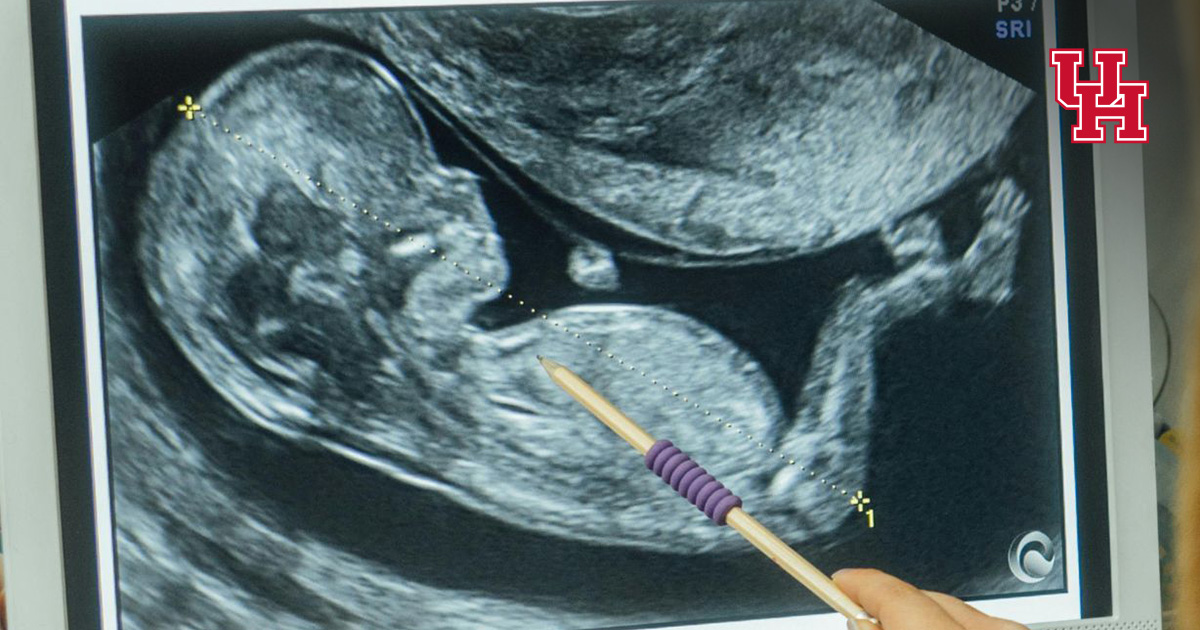
A new therapeutic approach, performed in utero, may prevent babies from being born
with a spongy heart — a life-threatening disease which often causes the dire need
for a heart transplant.
Key Takeaways
Loss-of-function in epicardial proteins called Numb Family Proteins leads to left
ventricular noncompaction, or spongy heart, presenting with pediatric-onset heart
failure.
The loss of function is caused by disrupted fibroblast signaling, highlighting this
pathway as a potential therapeutic target.
Deeper understanding of epicardial–myocardial crosstalk may enable future strategies
for intervention in both congenital LVNC and adult heart disease driven by epicardial
dysfunction.
A University of Houston pharmacology researcher and expert in cardiac development
has identified a new cause of — and repair for — left ventricular non-compaction,
also known as spongy heart disease. The new therapeutic approach, performed in utero,
may prevent babies from being born with this life-threatening disease, which often
causes the dire need for a heart transplant.
The disease, the third-most prevalent pediatric heart disease, develops when the heart’s
left ventricle develops improperly, becoming spongy and thick rather than smooth and
firm. This causes an inability in the heart to contract and relax properly and to
efficiently pump blood.
“We found that the loss of function in certain proteins, called Numb Family Proteins,
which are found inside epicardial cells and help the heart develop properly, leads
to non-compaction cardiomyopathy, presenting with pediatric-onset heart failure,”
reports Mingfu Wu, professor of pharmacology in the journal Circulation Heart Failure.
“This disfunction is caused by disrupted signaling of the fibroblast growth factor
(Fgf), highlighting this pathway as a potential therapeutic target,” said Wu. Fgfs
are a group of proteins crucial for the normal development of the embryonic heart.
Wu and graduate student Anika Nusrat examined Numb expression in epicardial cells
and found that the depletion of the proteins led to an absence of fibroblast and a
reduced Fgf signaling in the myocardium and a lack of communication among the fibroblast
and all the other cell types in the heart. It is vital for that communication to take
place in order for the heart to develop properly.
“Our results indicate this loss of NFPs prevented epicardial cells from entering the
myocardium, which led to a lack of fibroblasts in the trabeculae, which supports blood
flow while the coronary system is still forming,” said Wu. “This impairment ultimately
resulted in a spongy heart. When Fgf is given from outside the body to the pregnant
mother, it can partially fix the problem, preventing a spongy heart.”
Wu said deeper understanding of epicardial–myocardial crosstalk may enable future
strategies for intervention in both congenital left ventricular non-compaction and
adult cardiomyopathies driven by epicardial dysfunction.
This is a new cause of LVNC discovered by Wu. In previous research he found the absence of a certain gene, called Itgb1, may cause inability in the
developing heart to maintain its shape and develop normally, resulting in the condition.
In previous research he found the absence of a certain gene, called Itgb1, may cause
inability in the developing heart to maintain its shape and develop normally, resulting
in the condition.

