
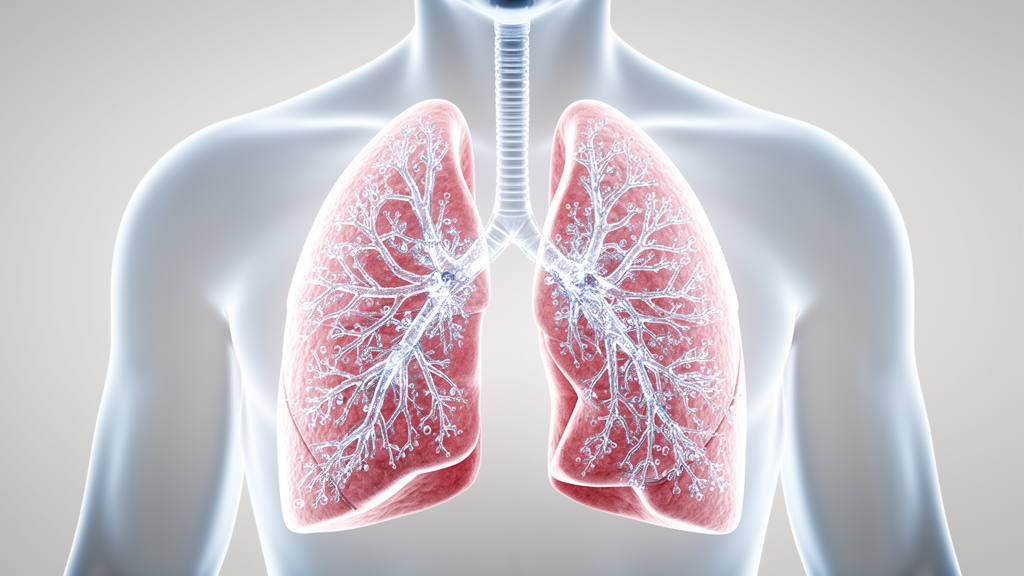
A retrospective cohort investigation examining clinical outcomes among patients suffering from advanced occupational lung disease reveals that individuals who receive double lung transplantation achieve substantially higher one-year post-transplant survival compared to those treated with single lung replacement. The comparative study evaluated 119 adult recipients diagnosed with end-stage pneumoconiosis who underwent surgical intervention between January 2018 and December 2022 at The Affiliated Wuxi People’s Hospital of Nanjing Medical University. Researchers determined that patients undergoing bilateral replacement experienced a 91.8 percent survival rate at one year following surgery, whereas individuals receiving single organ replacement demonstrated a corresponding survival rate of 73.3 percent. Statistical evaluations revealed that the overall cumulative survival across the complete combined recipient cohort stood at approximately 82.4 percent. While single lung procedures remain an established therapeutic strategy for selected high-risk surgical candidates with extensive fibrotic involvement, multivariable statistical adjustments demonstrated that double lung transplantation provided an independent reduction in relative mortality hazard among this occupational demographic, highlighting critical clinical implications for transplant decision-making.
Pneumoconiosis represents a progressive category of interstitial pulmonary disorders precipitated by the inhalation and cumulative retention of airborne mineral or organic dusts and toxic fibers, posing severe occupational health challenges worldwide, especially across developing industrial regions. Common clinical presentations encompass silicosis, coal workers’ pneumoconiosis, asbestosis, and berylliosis, each induced by prolonged pulmonary exposure to free crystalline silica, respirable coal dust, asbestos filaments, or beryllium particulate matter. As accumulated airborne particles induce severe persistent inflammatory cascades and irreversible fibrotic architectural distortion within alveolar structures, affected workers experience declining functional gas exchange capacity. While initial stages frequently proceed asymptomatically or produce minor non-specific complaints, progressive parenchymal remodeling eventually triggers severe respiratory debility marked by intractable coughing, sputum expectoration, hemoptysis, and thoracic pain. In terminal stages, conventional medical management provides exclusively symptomatic relief, establishing lung transplantation as the sole viable life-saving intervention capable of restoring respiratory capability for patients facing end-stage respiratory insufficiency.
Within the modern thoracic transplantation landscape, both single lung transplantation and double lung transplantation serve as definitive surgical modalities for terminal parenchymal disorders, including idiopathic pulmonary fibrosis and chronic obstructive pulmonary disease. Single lung transplantation offers procedural brevity, reduced intraoperative physiologic disruption, diminished demands on complex hemodynamic support, and the societal benefit of dividing paired donor lungs to treat two separate waiting recipients. Conversely, bilateral replacement delivers superior postoperative lung mechanics, enhanced reserve against subsequent mechanical declines, and total eradication of residual diseased tissue that could harbor secondary infectious or mechanical complications. Prior medical literature comparing both surgical approaches in chronic obstructive pulmonary disease established equivalence in intermediate five-year benchmarks but highlighted long-term survival advantages for bilateral recipients. In idiopathic pulmonary fibrosis cohorts, investigations yielded conflicting evidence regarding whether bilateral grafting truly confers superior graft survival. Given the unique pathophysiology of pneumoconiosis, where extensive pleural thickening, massive fibrosis, and severe mediastinal lymphadenopathy predominate, clinical evidence directly comparing both transplantation approaches has remained scarce.
To rigorously evaluate the therapeutic outcomes of both procedural approaches, surgical researchers at The Affiliated Wuxi People’s Hospital retrospectively analyzed clinical records from a total volume of 779 lung transplant procedures completed across their five-year study period. Following the exclusion of re-transplantation cases and lobar graft recipients, the investigators assembled a dedicated study population of 119 adult pneumoconiosis recipients who met official Chinese national diagnostic criteria requiring confirmed occupational exposure histories, characteristic high-resolution thoracic imaging features, and systematic exclusion of alternative interstitial etiologies. Within the cohort, 61 individuals representing 51.3 percent underwent single lung transplantation, while 58 patients representing 48.7 percent received double lung transplantation. The clinical selection between surgical strategies was primarily governed by preoperative multidisciplinary assessments, wherein severe unilateral pleural adhesions, dense fibrocalcific obliteration, extensive hilar calcification, or excessive hemodynamic instability prompted surgical teams to select single lung grafting to avoid the technical hazards of bilateral pneumonectomy.
Baseline comparative analyses established that recipient demographic parameters and underlying pulmonary functional severity were largely balanced between the two operational groups, with male recipients comprising nearly the entire cohort alongside one female bilateral recipient. Key baseline characteristics including body mass index, ABO blood group distribution, New York Heart Association functional classification, pre-transplant serum creatinine levels, and pre-transplant six-minute walk distances exhibited no statistically significant disparities across the surgical cohorts. Preoperative functional assessments, such as forced vital capacity, diffusing capacity of the lungs for carbon monoxide, Charlson Comorbidity Index ratings, and baseline requirements for invasive mechanical ventilation or preoperative extracorporeal membrane oxygenation support, were likewise equivalent. However, recipients selected for double lung procedures were significantly younger, presenting a median age of 44 years compared to a median age of 49 years among single lung recipients. Furthermore, double lung candidates exhibited higher preoperative mean pulmonary arterial pressures, recording a median of 25.0 millimeters of mercury versus 20.0 millimeters of mercury in the single lung cohort.
Evaluation of organ donor characteristics and procedural metrics highlighted substantial physiological and technical contrasts between the single and double replacement cohorts. Donors whose lungs were allocated for double lung transplantation were significantly older than single lung donors, presenting a median age of 43 years compared to 39 years. Expectedly, procedural complexity in bilateral interventions translated into marked operational prolongations: median allograft ischemic duration reached 16.1 hours in the double lung group compared to 7.2 hours in single lung procedures. Intraoperative support demands reflected this disparity, with bilateral recipients requiring a median of 7.8 hours of intraoperative extracorporeal membrane oxygenation compared to 5.5 hours for single lung operations. Postoperative extracorporeal membrane oxygenation support was also significantly extended in bilateral recipients, who received a median duration of 19.0 hours versus 18.2 hours for unilateral recipients. Nevertheless, objective indices of intraoperative blood loss, duration of post-surgical mechanical ventilation, total intensive care unit stay, and overall post-transplantation hospital stay did not differ significantly between the groups.
Postoperative safety measurements revealed notable clinical patterns regarding early graft function, infectious morbidities, and perioperative survival benchmarks. The incidence of primary graft dysfunction within 72 hours post-transplantation, clinically characterized by progressive alveolar damage and radiographic infiltrates, remained statistically comparable between single and double lung recipients, as did the frequency of postoperative infection. However, thirty-day perioperative mortality exhibited a pronounced numerical divergence: recipients who underwent single lung procedures sustained an 18.0 percent perioperative mortality rate, which was more than three times higher than the 5.2 percent rate documented among bilateral recipients, approaching statistical significance with a p-value of 0.059. Across the nineteen total deaths documented during perioperative and one-year follow-up windows, systemic infections and septic shock constituted the leading etiology, causing 40.0 percent of deaths in the single lung group and 50.0 percent in the double lung cohort. Multiple systemic organ failure represented the second most prevalent cause of mortality, accounting for 20.0 percent of single lung deaths and 25.0 percent of double lung deaths.
Longitudinal survival assessments utilizing Kaplan-Meier curves established a statistically significant divergence in patient survival favoring bilateral grafting over the initial twelve months following surgery. Unadjusted Kaplan-Meier survival curves revealed that double lung recipients achieved a 91.8 percent survival rate at one year compared to 73.3 percent among single lung recipients, generating a log-rank significance value of p = 0.007. To address procedural evolution across the study period, during which an institutional shift toward bilateral procedures occurred between early calendar years and later operational phases, researchers implemented multivariable Cox proportional hazards modeling incorporating transplant era as an analytical covariate. Following comprehensive statistical adjustment for recipient chronological age, baseline forced expiratory volume in first second, mean pulmonary arterial pressure, intraoperative bleeding volumes, donor age, and transplantation era, double lung transplantation maintained an independent, statistically significant association with improved one-year survival, yielding an adjusted hazard ratio of 0.24 with a 95 percent confidence interval spanning 0.07 to 0.81.
To evaluate the potential impact of residual unmeasured confounding inherent to observational surgical registries, the investigators performed a quantitative E-value sensitivity analysis. The statistical calculation yielded a point E-value of 7.81 for the adjusted hazard ratio, demonstrating that an unmeasured clinical confounder would need to possess a relative risk association of at least 7.81 with both transplant procedural selection and post-transplant mortality to fully negate the observed survival benefit. Evaluating the conservative upper bound of the 95 percent confidence interval produced a corresponding E-value of 1.76, confirming that substantial residual confounding would be necessary to explain away the observed survival divergence. Authors emphasized that bilateral pulmonary replacement provides enhanced physiological reserve against progressive pulmonary arterial hypertension, reduces right ventricular afterload strain, and eliminates the damaged native lung environment, thereby preventing native lung complications such as recurrent infection, pneumothorax, and ongoing fibrodestructive remodeling that frequently complicate unilateral procedures.
The study authors highlighted several methodological limitations that necessitate careful interpretation of their clinical findings, emphasizing that retrospective observational designs cannot entirely eliminate institutional selection bias. Primary among these limitations is the non-randomized allocation of surgical procedures, wherein patients suffering from severe unilateral pleural obliteration, extensive progressive massive fibrosis, or elevated perioperative vulnerability were preferentially assigned to single lung transplantation. Additionally, because the single-center investigation was conducted within an evolving organ allocation framework, unstratified etiology across specific occupational dust exposures and lack of long-term follow-up beyond twelve months preclude assessment of late complications like bronchiolitis obliterans syndrome. While single lung procedures remain an essential therapeutic alternative for older candidates or individuals with anatomical barriers precluding bilateral resection, the researchers concluded that double lung transplantation should be prioritized whenever surgically feasible, urging prospective multicenter trials to refine recipient stratification criteria.
Subject of Research: Clinical outcomes and survival comparison between single and double lung transplantation in patients with pneumoconiosis
Article Title: Single versus double lung transplantation in patients with pneumoconiosis: a retrospective cohort study
Article References: Chen, C., Huang, Y., Li, Z., Wu, J., Zhong, W., Chen, L., Liu, F., & Qiao, G. (2026). Single versus double lung transplantation in patients with pneumoconiosis: a retrospective cohort study. Journal of Occupational Medicine and Toxicology, 21(1), Article 25. https://doi.org/10.1186/s12995-026-00524-6
Image Credits: AI Generated
DOI: 10.1186/s12995-026-00524-6
Keywords: pneumoconiosis, lung transplantation, double lung transplantation, single lung transplantation, occupational lung disease, silicosis, coal workers pneumoconiosis, pulmonary fibrosis, posttransplant survival, perioperative mortality, extracorporeal membrane oxygenation, ischemic time, graft survival, thoracic surgery, pulmonary hypertension, occupational medicine, Wuxi Peoples Hospital

