
Table of Contents
Respiratory syncytial virus (RSV) poses a serious threat to lung transplant (LTX) recipients, making a significant contribution to disease and death within this vulnerable population with limited effective treatment. The development of the Arexvy vaccine (RSVPREF3; GSK) shows considerable promise to generate protective immunity in healthy adults. However, the ability of the immune system to stimulate appropriate immune responses to compromised individuals, such as organ transplant recipients, remains an important area of investigation.1
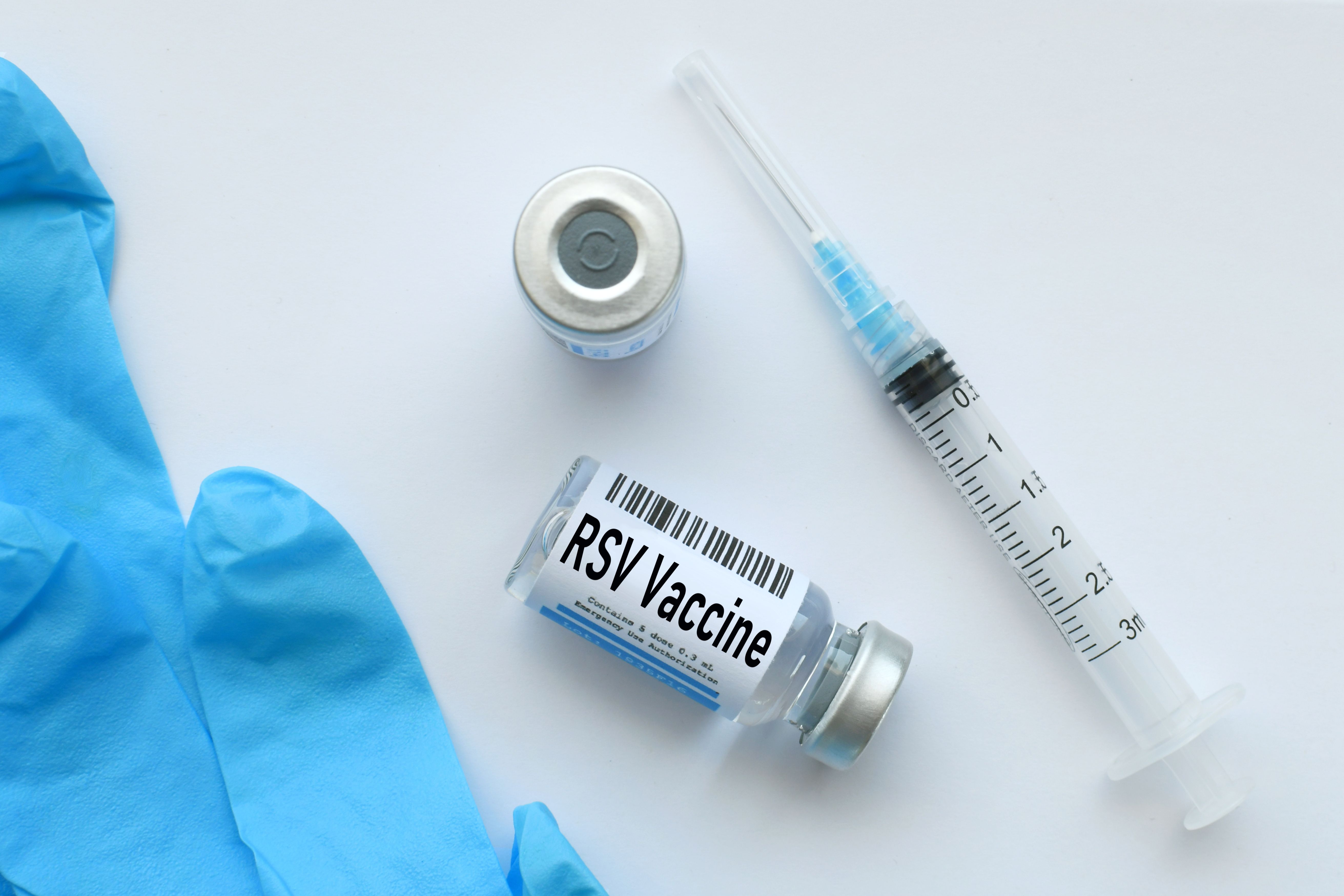
Image credits: Margjohnsonva | stock.adobe.com
Single-center retrospective studies published by investigators in the journal vaccine, The aim was to assess the immunogenicity and safety of the Arexvy vaccine in a cohort of LTX recipients vaccinated in February 2024, and analyzed the antibody response over a six-month period.1
RSV vaccine response
RSV is known to cause severe lower respiratory tract infection (LRTI) in older people over the age of 60, contributing to morbidity and mortality. Individuals who require lung transplants are more susceptible to infections due to their immune deficiency. Currently, the guidelines weakly recommend ribavirin tablets that may potentially use intravenous immunoglobulin (IVIG) or corticosteroids or corticosteroids for RSVs in LTX recipients, due to limited evidence from previous observational studies. However, because there is no specific antiviral properties, researchers have emphasized the prevention of RSV infection through vaccinations to protect this population group.1
Authorized by the FDA in May 2023, Arexvy was the first RSV vaccine accepted in the United States for the prevention of LRTIs caused by RSV infection in individuals over the age of 60. The vaccine contains the recombinant subunit pre-Bizen RSV f glycoprotein antigen (RSVPREF3) in combination with GSK's proprietary AS01.e Adjuvant. Despite positive efficacy data from clinical trials, further studies are needed to assess immunogenicity of LTX recipients against seasonal RSV strains.1
Immunogenicity of Alexby in lung transplant recipients
A total of 28 LTX recipients were included in a single-center retrospective cohort study, including median ages of 59 and 62 years at vaccination. The median time between transplantation and vaccination was 486 days. All individuals were tracked at Sheba Medical Center LTX Clinic.1
Following the vaccine administration using AREXVY in February 2024, all patients were routinely followed every 3-6 months as part of standard clinical care and were notified to contact the clinic if respiratory or fever symptoms occurred during each follow-up visit. Additionally, adverse events (AEs) including injectable site and systemic responses were monitored for 7 days post-vaccination. Clinical and laboratory data containing blood samples were collected at 2 weeks windows at 1, 3, and 6 months post-vaccination time points and retrospectively extracted from patient records for analysis.1
Of the 28 LTX recipients in this study, 75% were male, nearly 90% had undergone bilateral implantation, with pulmonary fibrosis being the most common basal condition (67.9%). The majority (71.4%) were donor-positive/recipient-positive cytomegaloviruses, with mild localized injectable site responses reported as AES in 28.6% of participants. Importantly, no RSV infection occurred in the study group before and after vaccination.1
The results of the microneutralization assay showed a significant increase in neutralizing antibodies to all four variants (RSV A/B ATCC and seasonal RSV A/B) by 6 months after vaccination of lung transplant recipients. Specifically, the geometric mean titer (GMT) of RSV A ATCC increased from 409 to 2242 (p <0.0001), and for RSV B ATCC, 860 to 2602 (p <0.0001). Seasonal RSV A GMTS rose from 1855 to 3856 (p = 0.07), and seasonal RSV B GMT increased from 430 to 1121 (p = 0.0132). Baseline immunity against circulating RSV A was higher compared to other variants, whereas neutralization ability for seasonal RSV B was initially lower.1
The findings suggest an increase in levels of neutralizing antibody levels at 3 and 6 months after vaccination of LTX recipients. Furthermore, the study authors noted that antibody responses were maintained at a 6-month follow-up period and exhibited stable immunogenicity. Importantly, no safety concerns have been reported that highlighted the tolerability of Arexvy among immunodeficient patients.1

